Author: SMS admin

  • How to Identify and Manage Dying Trees During the Summer
    How to Identify and Manage Dying Trees During the Summer

    Summer is the perfect time to enjoy the outdoors and bask in the beauty of nature. However, amidst the lush greenery, watching for dead or dying trees is essential. Dead trees threaten human life and property and harm the environment by spreading diseases and contributing to fire hazards. Therefore, it’s essential to identify and manage dead trees during the summer. In this blog, we’ll explore some ways to do just that.

    Identifying Dead Trees

    The first step in managing dead trees is identifying them. Here are some signs to look out for.

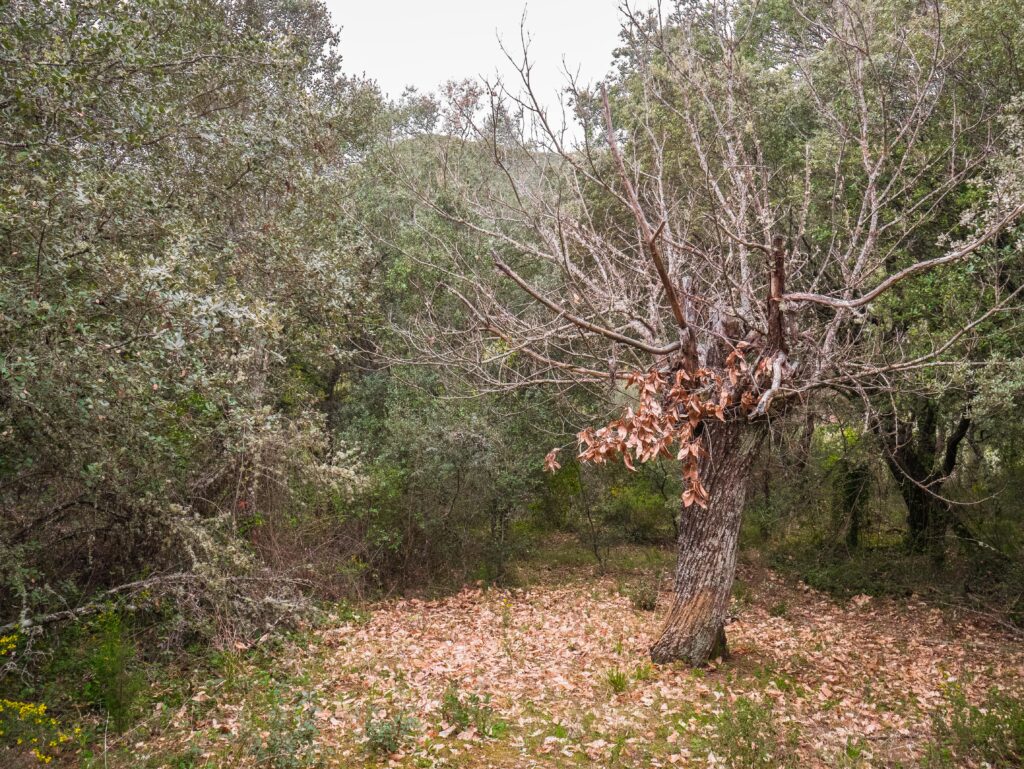
    Perhaps the most obvious is a lack of leaves. If a tree does not produce any leaves during the summer, it could die. Another indication is discolored foliage. This could be a sign of disease or insect infestation. Peeling bark tends to signify decay or fungal infection. A tree with cracks or cavities in its trunk or branches could be alerting you to internal decay. When the trunk of a tree leans more than 15 degrees, you should suspect root damage. Finally, dead branches could be a sign of disease or insect infestation.

    Managing Dead Trees

    Once you have identified a dead or dying tree, it’s essential to manage it properly. Here are some ways to do that.

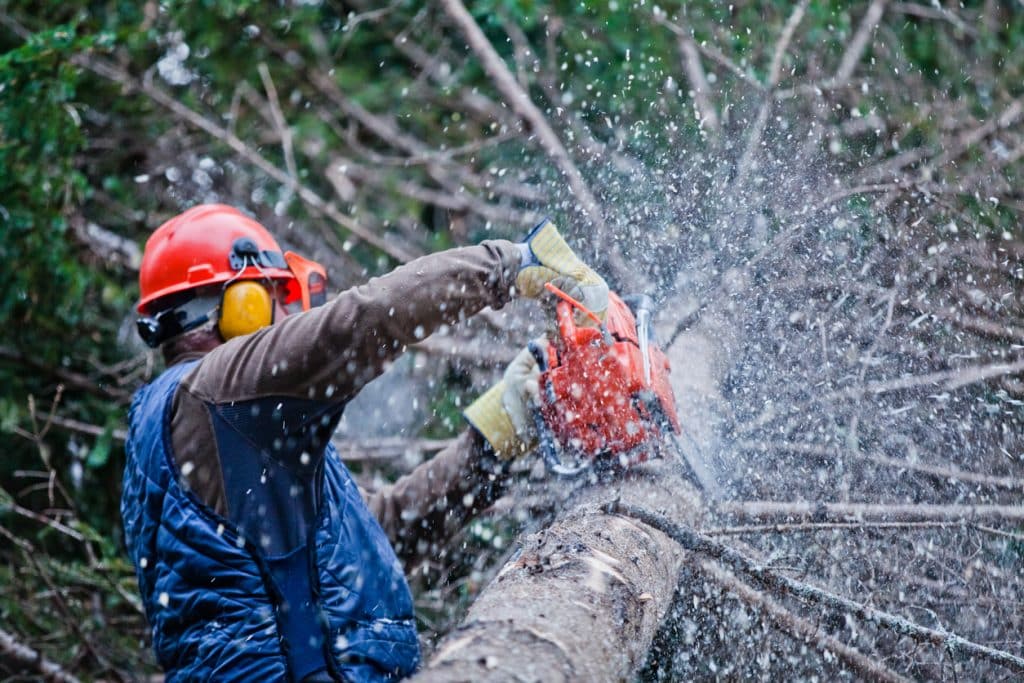
    Hiring a professional arborist is best. They will have the knowledge and tools to safely remove the tree without causing damage to your property or the environment.

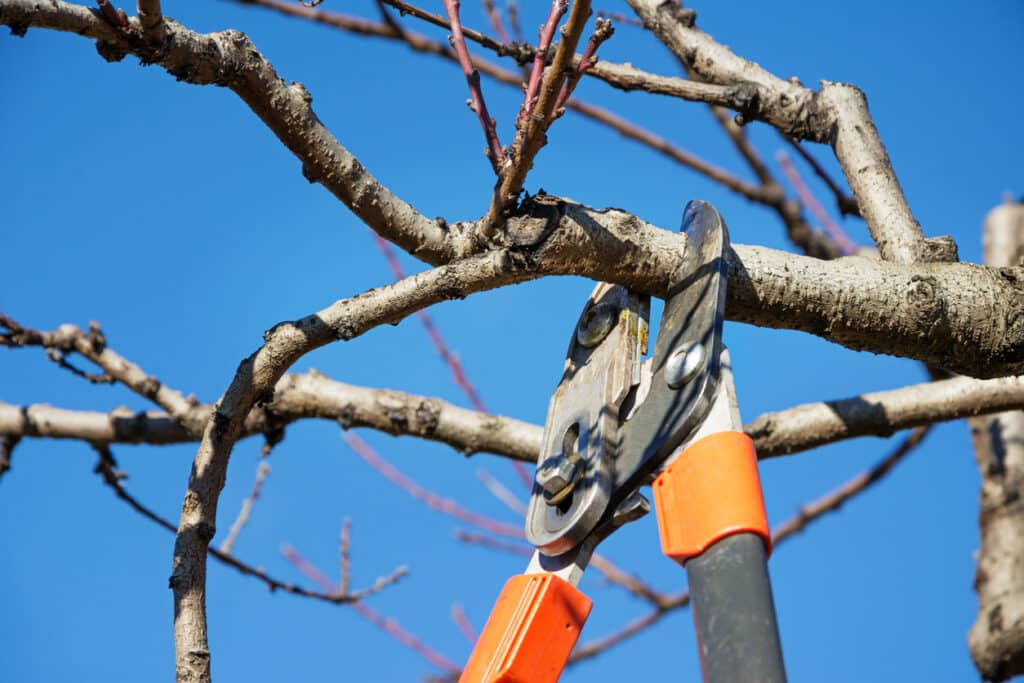
    If a tree has dead branches, you can prune them off to prevent them from falling and causing damage. However, if the tree is completely dead, it’s best to remove it entirely.

    Once you have removed the tree, it’s also essential to remove the stump. Stumps can attract pests and insects and can also be a tripping hazard.

    After removing a dead tree, you can plant a new one in its place. This will not only help to beautify your property, but it will also contribute to the environment by providing oxygen and habitat for wildlife.

    It’s also essential to monitor the health of other trees on your property. If one tree is dead or dying, it could signify a larger problem. For example, if several trees are dying, it could be a sign of a fungal infection or pest infestation.

    Preventing Dead Trees

    Preventing dead trees is the best way to manage them. Let’s discuss some ways to do that.

    Watering and fertilizing your trees can help keep them healthy and prevent diseases and pests. Regular pruning can help remove dead or dying branches before they become a hazard. Regularly inspecting your trees for signs of disease, infestation, or damage can help catch problems before they become severe.

    Finally, consider enlisting a professional. Hiring a professional arborist to inspect and maintain your trees can ensure they stay healthy and prevent them from dying.

    Outstanding Tree Services for Residents of Salem

    In conclusion, identifying and managing dead trees during the summer is crucial for the safety of humans and the environment. If you spot any signs of a dead or dying tree, visit us at Altar Tree Service for excellent tree pruning and trimming anywhere in Salem.

  • Trees Befriend Us in 4 Amazing Ways

    Trees Befriend Us in 4 Amazing Ways

    Trees serve as silent sentinels, guarding our environment while bestowing several advantages. They help us with everything from oxygen production to mitigating the effects of global warming to providing welcome relief from the sun. The value and benefits of trees cannot be overstated.

    1. Providing a Wildlife Habitat

    Trees provide habitats for a vast array of animals. Birds, squirrels, deer, and insects depend on trees for protection, sustenance, and nesting. These animals can seek refuge in trees to avoid predators and extreme weather conditions. Moreover, trees provide a natural food source in the form of nuts, berries, fruits, and foliage as well as a hunting ground for small prey.

    On hot days, trees can serve as shelter for larger mammals. Trees contribute to the ecosystem’s overall health by offering a secure and nourishing habitat for various species.

    2. Reducing Soil Erosion

    Soil erosion is a significant environmental issue that can result in substantial land degradation and decreased agricultural productivity. Trees play a crucial role in preventing soil erosion and enhancing soil health.

    A tree’s roots stabilize the soil, preventing wind and water erosion. As the roots develop and spread, they form a network of interlocking fibers that prevent soil particles from being washed away. They help to retain water in the soil, which can aid in preventing flooding and reducing the risk of landslides.

    Trees can enhance soil quality by adding organic matter. As leaves and branches fall to the ground, they decompose, releasing nutrients that enhance soil fertility and promote plant growth.

    3. Regulating the Climate

    The process through which trees take in atmospheric carbon dioxide and turn it into nutrients while also giving off oxygen is called photosynthesis. When trees take up and store carbon dioxide, a greenhouse gas contributing to global warming, they help reduce the harmful effects of climate change.

    Trees get the energy they need for growth and development from glucose that they produce through photosynthesis using carbon dioxide, water, and light. Trees take up carbon dioxide and store it in their tissues (leaves, stems, and roots). This process, known as carbon sequestration, is crucial because it allows trees to reduce the harmful effects of climate change.

    4. Improving Aesthetics, Shade, and Cooling

    Trees mitigate global warming by absorbing carbon dioxide from the atmosphere and shading the earth, and releasing water vapor into the atmosphere.

    Water vapor released from transpiring trees helps to chill the air around them. This cooling impact is especially crucial in metropolitan areas, where temperatures can rise due to the urban heat island effect.

    Adding trees to a landscape can make an otherwise dull scene more interesting and pleasant. The trees around us add to the area’s aesthetic appeal with their lush greenery and varying textures.

    Getting Help to Preserve Trees

    As we face environmental challenges such as climate change, we need to prioritize preserving and maintaining trees in our communities. If you’re in the Salem, OR, area, get in touch with us Altar Tree Service for high-quality tree services, including trimming and pruning to keep your trees healthy and looking great.

  • Spring Into Action: Why This Is the Season to Plant Trees
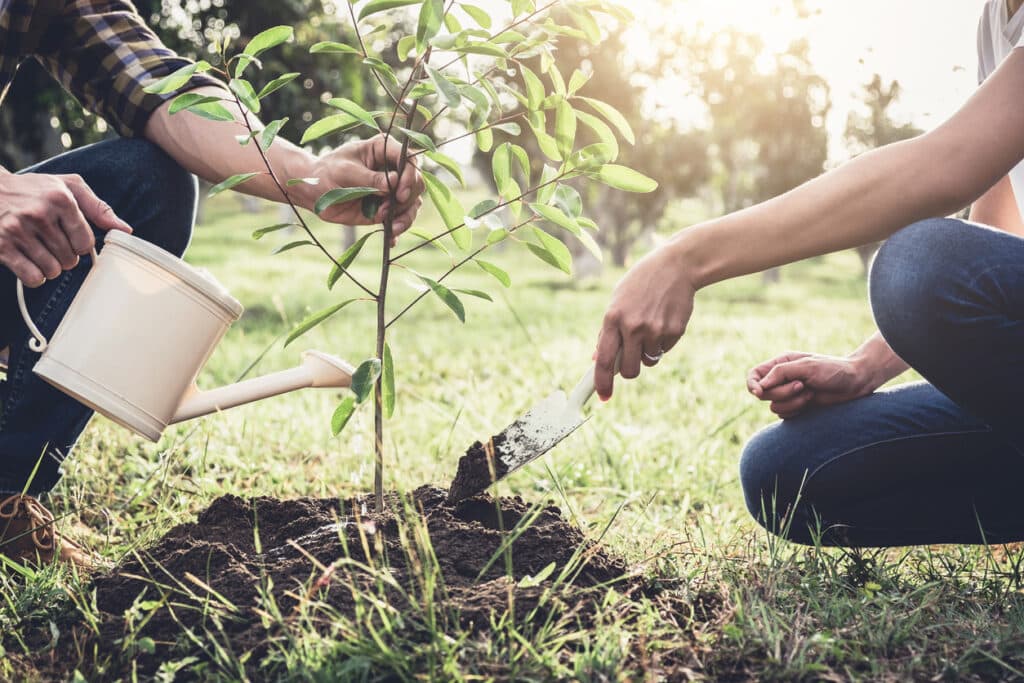
    Spring Into Action: Why This Is the Season to Plant Trees

    Due to various factors, spring is widely considered the ideal time for planting trees. Trees planted during this season have the best chance of establishing strong roots, growing tall, and staying healthy over a long period. Here are several reasons why this is the wisest time for tree planting.

    1. Soil Temperature

    The temperature of the soil is a crucial factor when it comes to planting trees. In spring, the soil begins to warm up, which benefits the plants. This warm soil promotes root growth, which is essential for the tree to establish itself. When planted in warm soil, the tree is less likely to experience transplant shock, which can lead to stunted growth and even death.

    2. Sufficient Moisture

    During the spring season, there is usually enough moisture in the soil. Trees need adequate moisture to grow, and spring provides the ideal conditions. The snowmelt and rainy season make the soil moist enough for trees to grow and establish roots. Additionally, the cool temperatures of spring ensure that the water does not evaporate too quickly, providing trees with the ideal moisture level they need to thrive.

    3. Ideal Growing Conditions

    Spring offers the perfect growing conditions for trees. With longer days and mild temperatures, trees have plenty of time to grow and establish themselves. Trees planted in spring have several months to grow and develop their root systems before the summer heat arrives. It gives them the strength to survive the hot, dry summer months.

    4. Less Stress on Trees

    Spring is when trees are not under as much stress as they would be during other seasons. The tree is leaving dormancy, and the growth cycle has just begun. There are no extreme weather conditions to contend with such as the high temperatures of summer or the freezing temperatures of winter. This means the tree can focus its energy on establishing its root system and growing rather than trying to survive extreme conditions.

    5. Better Access to Trees

    Spring is also when nurseries and garden centers stock up on trees, providing homeowners with a wide selection of plants to choose from. It makes it easier for buyers to find the right tree for their property and needs. It also means there is a greater chance of finding the tree you want instead of waiting until later in the year when the selection may be limited.

    Spring is the ideal time for planting trees since it provides the perfect conditions for them to establish themselves and grow into healthy, mature specimens. If you’re thinking of planting trees on your property, consider doing so in the spring. For expert residential or commercial tree services in Salem, OR and the surrounding areas, call our experts at Altar Tree Service.

  • 3 Practical Ways to Evaluate Tree Safety
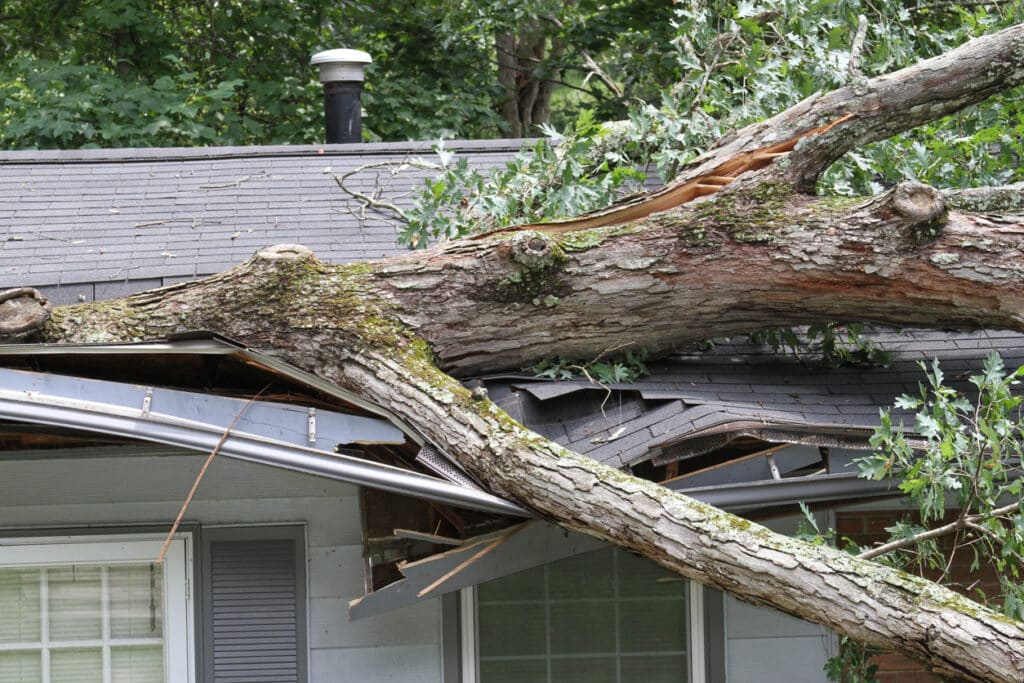
    3 Practical Ways to Evaluate Tree Safety

    Experts advise that you inspect all trees on your property at least once every year. This is because a tree hazard is often a serious issue that can cause injuries or even death. When evaluating tree safety, make sure you check the bark, roots, and branches. Let’s consider each aspect.

    1. Check the Roots of Your Tree

    Trees with damaged roots are likely to topple during a storm and potentially compromise safety. Unfortunately, a lot of factors can lead to root damage. One of these is improperly cutting roots when installing a patio, driveway, or sidewalk.

    Also, when evaluating tree safety by appraising the root system, make sure you check whether tree roots are growing at the soil surface. Roots grow predominantly at the surface when there is insufficient irrigation. This means water does not go deep enough; hence, the roots will try to come to the surface in search of it.

    Roots that grow at the soil surface cannot anchor trees securely, and such trees can fall when you least expect, possibly causing injuries. It is recommended that you call a local arborist to help you fix root-related problems.

    2. Inspect the Bark

    Next, you should inspect your tree’s bark to make sure it is healthy. The bark plays a crucial role in the overall health of a tree. It does this by keeping the interior of the tree safe. A tree with damaged bark can be a hazard.

    The bark of your tree can be damaged by equipment such as trimmers and mowers. Tying or nailing things to the tree can also damage the bark. When the bark is damaged, disease-causing pathogens and insects are likely to invade it, thereby weakening it even further.

    If the issue is not taken care of early enough, your tree may start to lose its branches. This can be extremely dangerous, especially if the tree is a large one. For this reason, work with a professional tree care company to keep your tree’s bark healthy all year round.

    3. Look for Dead or Broken Branches

    Did you know that broken or dead branches are infamously referred to as “widow-makers”? That is because they tend to fall unexpectedly, and they can cause injuries or even death if they land in the wrong places.

    Having said that, tree safety evaluation is incomplete if you do not assess the condition of your tree’s branches. Healthy branches should sprout green leaves up to the branch tips. They should also be large and divide into small twigs.

    If you notice anything odd with the branches of your tree, it is time to call a professional tree service company. Using the right equipment, the company will spot exactly what is wrong with your tree, and this can prevent it from becoming a hazard.

    Damaged trees can compromise your safety in many different ways. They can also be a potential hazard to your neighbors. This is why it is recommended that you assess the safety of your trees regularly. At Altar Tree Service., we are professional arborists dedicated to helping the residents of Salem, OR keep their trees healthy and safe, so call us today.

  • 5 Effective Ways of Preventing Tree Storm Damage

    5 Effective Ways of Preventing Tree Storm Damage

    Trees are an important part of our natural environment, providing shade, oxygen, and natural beauty. However, during storms, trees can pose a significant risk to our homes, our property, and even our safety. Fortunately, many ways exist to prevent tree storm damage and keep our trees healthy and strong.

    1. Planting the Right Trees

    Choosing the right trees is an important way to prevent storm damage. Planting trees that are native to your area and that are known to withstand stormy weather conditions is a smart choice. These trees have adapted to the local environment and have developed strong root systems and sturdy branches to withstand high winds and heavy rains. It is also important to consider the size and growth rate of the trees when selecting which species to plant. Trees that grow too tall and too quickly may become top-heavy and more susceptible to falling over during a storm.

    2. Regular Tree Maintenance

    Regular tree maintenance is one of the most important steps to prevent tree storm damage. This involves pruning dead or weak branches, removing damaged or diseased trees, and clearing out excess foliage. By removing weak or damaged branches, you can prevent them from breaking off and causing more damage during a storm. Regular tree maintenance can also help keep your trees healthy and resilient, making them less vulnerable to damage in the first place.

    3. Identifying Hazardous Trees

    Identifying hazardous trees is an essential step in preventing storm damage. Certain trees may be more prone to damage due to their species or growing location. For example, trees too close to power lines or structures may need to be pruned or removed to prevent damage during a storm. Similarly, trees with weak or damaged branches may be at risk of falling and causing damage.

    4. Installing Support Cables

    Installing support cables is one of the most effective ways to prevent tree storm damage. This technique involves attaching steel cables to a tree’s trunk and branches to provide additional support during high winds and heavy rain. Cables can help redistribute the weight of a tree’s canopy, making it less likely to break or fall over during a storm. This technique is especially effective for trees with multiple trunks or weak branches more prone to damage.

    5. Removing Dead Trees

    Removing dead trees is an effective way to prevent storm damage. Dead trees are more vulnerable to strong winds and heavy rain, making them prone to falling over and causing severe damage to nearby property and healthy trees. Tree removal should be done before the storm season starts. Professional tree removal services can assess and identify dead trees on your property that may pose a risk during a storm.

    There are many ways to prevent tree storm damage. Seeking professional help in assessing and identifying trees at risk of storm damage is recommended for optimal safety. For Salem, OR, residents, visit Altar Tree Service for expert tree services.

  • Uncovering the Hidden Threat: Protect Your Trees from Pest Infestations
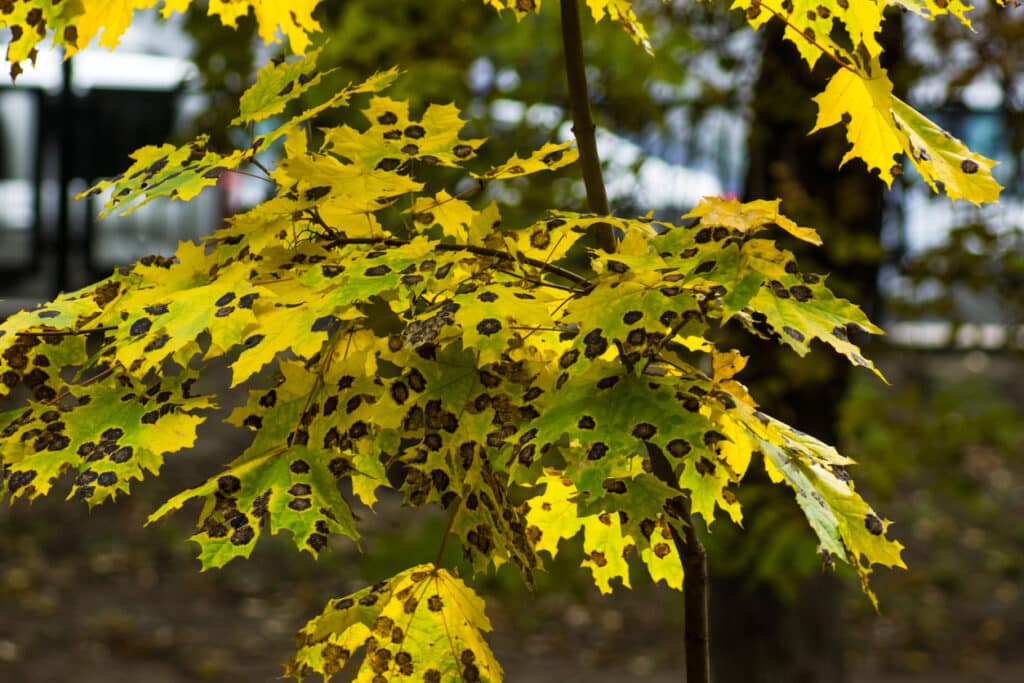
    Uncovering the Hidden Threat: Protect Your Trees from Pest Infestations

    Learn the signs of tree pest infestations and how to maintain your trees with our comprehensive guide. Stay ahead of tree pests and protect your landscape with our expert tips and advice. Get started now.

    Trees are an integral part of our environment, providing numerous benefits such as shade, oxygen, and aesthetic appeal. However, they are also vulnerable to various pest infestations that can significantly harm their growth and health. Therefore, it is crucial to be aware of the signs of tree pest infestations and take timely actions to prevent them. This article will provide an in-depth understanding of the signs of tree pest infestations and the maintenance measures you can take to prevent them.

    1. Wilted or Yellow Leaves

    Wilted or yellow leaves are among the most common signs of tree pest infestations. This could indicate root damage caused by pests like root maggots or soil-dwelling pests. To prevent this, regular watering and proper soil drainage are essential to maintain healthy roots. Additionally, avoid excessive use of fertilizers, pesticides, and herbicides, which can attract pests and damage the roots. Pruning and removing dead or diseased branches can also help reduce pest infestations and increase the tree’s overall health.

    2. Holes in Leaves and Bark

    Holes in leaves and bark are clear signs of tree pest infestations. These holes are caused by insects such as borers and beetles that feed on the tree’s inner layers. If left untreated, these pests can cause significant harm to the tree’s health, leading to its eventual death. To prevent tree pest infestations, it is important to regularly inspect the trees for any signs of damage and take action as soon as possible.

    3. Sticky Residue or Sap

    This is one of the most noticeable signs of tree pest infestations. Certain pests, such as aphids, scales, and mealybugs, produce this sticky substance, which feeds on the tree sap. The sap acts as a beacon for other insects, attracting them to the tree and causing further damage. Over time, the sticky residue can become unsightly and potentially harmful to the tree’s health. The sticky substance can also be a food source for other pests, further exacerbating the infestation.

    4. Fungal Growths or Mushrooms at the Base of Tree

    This is an indication of potential fungal infestations, which can be harmful to the tree’s health. Fungi thrive in moist conditions and can spread quickly through the soil and roots, causing significant damage to the tree. The presence of fungal growths or mushrooms near the tree’s base suggests an issue with the tree’s health and may require immediate attention and treatment.

    Tree pest infestations can cause significant damage to your trees, potentially leading to the tree’s death. Early detection is critical to preventing further damage. Contact Altar Tree Service in Salem, OR for reliable tree service, including trimming and pruning. We are dedicated to providing effective solutions to protect your trees from pests and promote healthy growth.

  • Signs Your Trees Need Watering

    Signs Your Trees Need Watering

    Trees, like humans, can’t exist without sufficient water. A tree that is underwater will suffer from scorched, undersized, and yellowing leaves. Below are signs you are not giving your trees enough water.

    Curled and Wilted Leaves

    Your trees experience drought stress when the water demand is higher than the supply. The leaves begin to curl to protect the little moisture available from evaporation. They wilt and wither, affecting the tree’s ability to make its food. If the plant does not photosynthesize, it will die since there is little or no food to provide nutrients for growth.

    Early Leaf Drop

    Premature leaf drop is another sign that your trees need water. Usually, plants lose their leaves at the end of fall to survive the upcoming cold season. If your trees’ leaves fall before this season, it’s probably dehydrated. A tree loses the leaves it cannot support with the available moisture. Consequently, your plant’s growth slows down, and it’s more susceptible to pests and diseases. In extreme circumstances, the plant dies.

    Off-colored and Undersized Leaves

    Color change in leaves happens due to several reasons, including diseases. But, often, it’s due to underwatering. If a tree is dehydrated, the leaves will start to lose their color. Improper watering also affects the growth of plant leaves. Lack of adequate water means the tree doesn’t get the nutrients required for the leaves to grow to their full size.

    Roots and Fruits Shrink

    Lack of adequate water can do significant damage to the fruits. They shrink and fall prematurely. Tree dehydration also affects the growth of the roots. Your trees extract nutrients from the immediate soil, and watering makes the process easier. If you don’t water the plants as required, the ground around them gets dry, and the roots can no longer get the vital nutrients.

    Radical Cracks in Tree Trunks

    As mentioned, lack of adequate water in trees causes shrinking. This may lead to cracks and splitting on the trunks. The cracks reveal the wood underneath, exposing it to damage. In addition, they provide openings where disease-causing microorganisms may enter. Furthermore, the trunk may harbor insects that use them as home.

    Keeping your trees properly watered will allow them to flourish for years to come and help to prevent disease and insect infestations. Noticing the signs of underwatering listed above can help you understand the watering needs of your trees and prevent premature death. Contact Altar Tree Service today for tree service in Salem, OR.

  • Winter Is the Cheapest Time of Year to Cut Down Your Trees
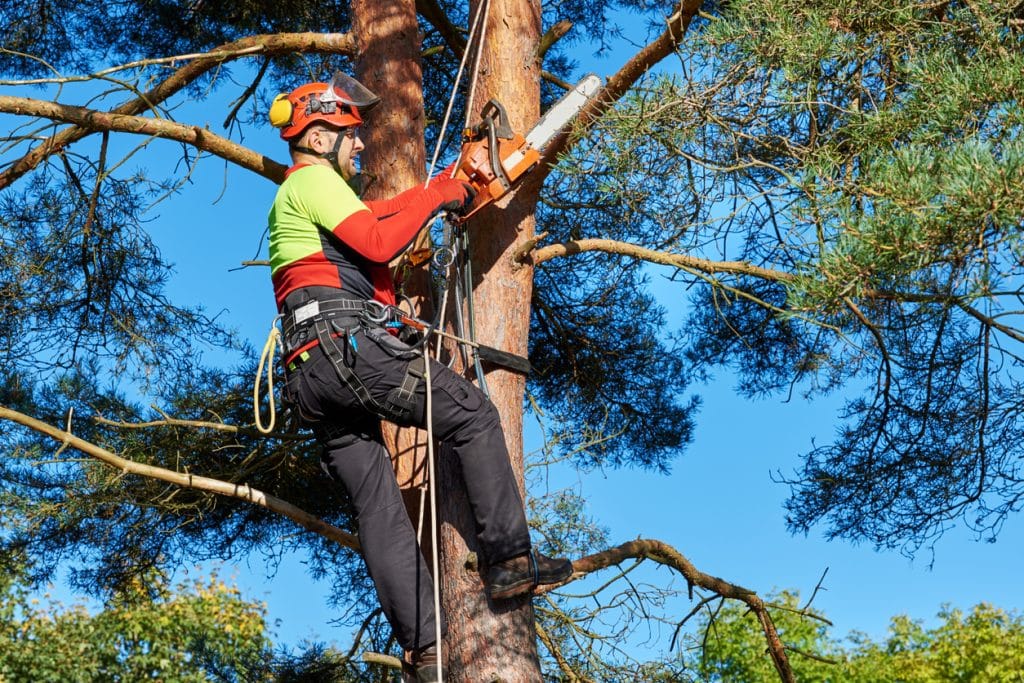
    Winter Is the Cheapest Time of Year to Cut Down Your Trees

    Specifically, January to February is the best time of year to cut down a tree. This is when trees are dormant, and deciduous trees have lost their leaves. Many arborists may also give customers discounts or lower their prices during the winter in order to compete for clients’ business.

    Why It’s Easier to Cut Down a Tree in Winter

    It’s easier and safer for an arborist to cut down a tree during the winter because the loss of its leaves makes branches easier to see. Because the tree isn’t taking up as much water or nutrients as it does during the growing season, it’s also lighter in weight. Storms and damaging winds are less frequent during the winter months, which means there’s less need for expensive emergency service.

    How Much Can You Save?

    Arborists believe that if you get your trees removed in the winter as opposed to the spring or summer, you can save as much as 30% to 40% on the cost. This is something to consider when you realize that cutting down your tree can cost thousands of dollars depending on its size, location, and overall condition. Even removing a mid-sized tree that’s in good condition and nowhere near a structure or power line might run between $400 and $1,000 dollars. Not only this, but you’ll have to factor in a travel fee if you live far away from the tree service company. Some companies also charge if they have to clear furniture or potted plants away from the area around the tree.

    Still, most people get their trees taken down during the warmer months when costs are generally higher. In spring and summer, arborists can be booked for weeks and are able to charge top dollar for their services.

    Don’t Cut the Tree Down Yourself

    Unless you’re already an experienced arborist, you shouldn’t attempt to cut down a large tree at any time of year. Even a dormant tree is heavier than it looks, and it’s difficult to know where it’s going to fall. If it falls on a structure, a power line, or on you as you try to cut it down, serious consequences can develop.

    If the Price Seems Too Good to Be True, It Is

    Some arborists offer suspiciously low prices to customers when it comes to cutting down their trees. You should be wary of costs that seem much too low, for they may be a sign that the company is cutting corners to get business.

    Learn More About the Best Time to Remove a Tree

    The tree and landscaping professionals at Altar Tree Service in Salem have years’ worth of experience when it comes to tree removal. Not only that, but we’re proficient at pruning and trimming, stump grinding after the tree has been removed, and checking your other trees for signs of pests and diseases. Don’t hesitate to contact Altar Tree Service today to learn more.

  • Tips for Pruning Trees in the Winter

    Tips for Pruning Trees in the Winter

    Pruning trees in the winter can have many benefits for the tree’s health and the overall appearance of your landscape. However, to avoid damaging them, it’s essential to know how to properly prune your trees during the colder months. Here are some tips for pruning trees in the winter.

    Know the Right Time to Prune

    Pruning at the wrong time of year can cause stress and damage your trees. For deciduous trees, it is best to prune them in the late winter or early spring when they are still dormant. For evergreens, however, pruning should be done in the summer months as they are more sensitive to winter pruning. Hence, knowing the right time to prune your trees is essential.

    Use the Right Tools

    To properly prune your trees, you’ll need the right tools. A good pair of pruning shears is essential for cutting small branches, while a pruning saw is better suited for larger branches. Ensure your tools are sharp and in good condition to avoid damaging the tree.

    Prune to Shape the Tree

    In addition to removing dead or damaged branches, you can also prune your trees to shape them and improve their overall appearance. This is especially important for young trees still growing and developing their structure. When pruning to shape a tree, make sure to cut branches back to a lateral branch or tree trunk. Refrain from leaving stubs, as these can lead to problems down the road. If you need help deciding which branches to cut, it’s often best to consult an arborist for professional advice on properly pruning your trees.

    Be Careful Not to Over-Prune

    While pruning can benefit trees, it’s important to do just what is necessary. Removing too much of the tree’s canopy can stress the tree and make it more vulnerable to pests and diseases. It’s better to prune trees gradually over time rather than remove a large amount of growth all at once. Many people make the mistake of taking off too much when they first prune their trees.

    Keep Your Trees Nourished Well After Pruning

    Once you’ve finished pruning your tree, it’s essential to take good care of it by providing proper nutrition. This will help the tree recover from any stress caused by pruning and encourage new growth. You can do this by applying a layer of mulch to the base of the tree and feeding it with a general-purpose fertilizer in early spring.

    Conclusion

    Pruning trees in the winter can be an effective way to improve their health and appearance. Following these tips can help ensure that your trees are properly pruned and well maintained throughout the winter season. Call Altar Tree Service for any tree service in Salem, OR. We offer free consultations to help evaluate your trees and recommend the best course of action.

  • Pruning the Roots of Your Tree to Transplant It
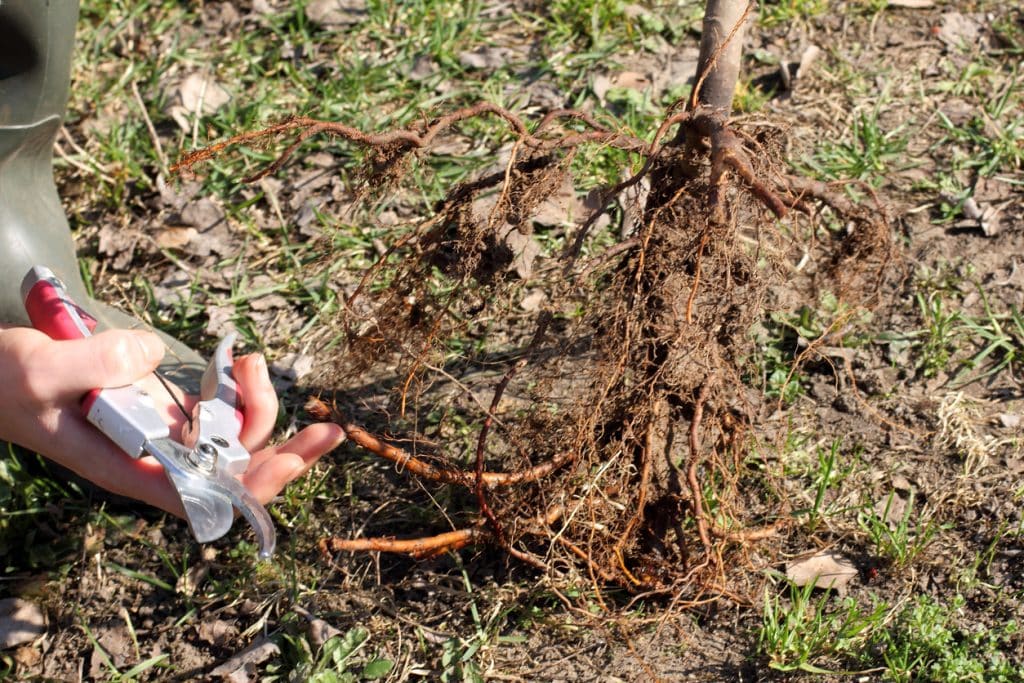
    Pruning the Roots of Your Tree to Transplant It

    One rule for gardeners is to make sure that you never damage the roots of your trees. The roots send nutrients and water to the rest of the tree, and if they’re injured, they can’t do their job as well. This can result in the tree weakening or even dying. However, you’ll need to prune the roots of your tree if you’re going to transplant it, for it’s nearly impossible to transplant the tree with its entire root system. The good news is that this can be done with minimal damage to your tree. Here’s how.

    Try to Transplant Only Small Trees

    Small trees survive root cutting and transplanting far better than larger trees. Arborists recommend that if you must cut the roots of a tree that has a diameter of more than 2 inches or roots that are more than 2 inches wide, you call for professional help. Even with a small tree it’s a good idea to have someone help you.

    Cut Along the Drip Line

    The drip line is the circular area around the tree where the longest branches end. It’s called this because water from the tips of these branches drips down into the ground. This is approximately the circumference at which you should cut the roots.

    Decide the Best Time to Prune the Roots

    You don’t prune the roots at the same time you’re going to transplant the tree. It’s best to move your tree in the spring or in the fall. If you’re going to transplant your tree in the fall, prune the roots in the summer. If you’re going to transplant it in the spring, prune them in late fall to early winter. Arborists recommend waiting six months between pruning the roots and transplanting the tree.

    How to Cut the Roots

    After you’ve measured the size of the new root ball, mark it with a circle around it. You can use chalk so the circle can stand out from the surrounding grass. Water the soil deeply at least a day before cutting the roots. Clean and sharpen a spade, and then use it to cut into the roots, following the chalk circle as a guide. Cut about a foot into the soil to sever the roots cleanly.

    When you are ready to transplant the tree, move it onto a large piece of burlap nearby, roll the root ball into it, tie it, and take it carefully to the place where you want the tree to be.

    Learn More About Pruning Your Tree Roots

    It may take a year or longer before the transplanted tree adjusts to its new location. Fortunately, many trees are long-lived and can adjust well to their new space if they’re cared for well. For more information about pruning your tree roots, contact our arborists today at Altar Tree Service of Salem, OR.