
Category: Services

  • 5 Effective Ways of Preventing Tree Storm Damage

    5 Effective Ways of Preventing Tree Storm Damage

    Trees are an important part of our natural environment, providing shade, oxygen, and natural beauty. However, during storms, trees can pose a significant risk to our homes, our property, and even our safety. Fortunately, many ways exist to prevent tree storm damage and keep our trees healthy and strong.

    1. Planting the Right Trees

    Choosing the right trees is an important way to prevent storm damage. Planting trees that are native to your area and that are known to withstand stormy weather conditions is a smart choice. These trees have adapted to the local environment and have developed strong root systems and sturdy branches to withstand high winds and heavy rains. It is also important to consider the size and growth rate of the trees when selecting which species to plant. Trees that grow too tall and too quickly may become top-heavy and more susceptible to falling over during a storm.

    2. Regular Tree Maintenance

    Regular tree maintenance is one of the most important steps to prevent tree storm damage. This involves pruning dead or weak branches, removing damaged or diseased trees, and clearing out excess foliage. By removing weak or damaged branches, you can prevent them from breaking off and causing more damage during a storm. Regular tree maintenance can also help keep your trees healthy and resilient, making them less vulnerable to damage in the first place.

    3. Identifying Hazardous Trees

    Identifying hazardous trees is an essential step in preventing storm damage. Certain trees may be more prone to damage due to their species or growing location. For example, trees too close to power lines or structures may need to be pruned or removed to prevent damage during a storm. Similarly, trees with weak or damaged branches may be at risk of falling and causing damage.

    4. Installing Support Cables

    Installing support cables is one of the most effective ways to prevent tree storm damage. This technique involves attaching steel cables to a tree’s trunk and branches to provide additional support during high winds and heavy rain. Cables can help redistribute the weight of a tree’s canopy, making it less likely to break or fall over during a storm. This technique is especially effective for trees with multiple trunks or weak branches more prone to damage.

    5. Removing Dead Trees

    Removing dead trees is an effective way to prevent storm damage. Dead trees are more vulnerable to strong winds and heavy rain, making them prone to falling over and causing severe damage to nearby property and healthy trees. Tree removal should be done before the storm season starts. Professional tree removal services can assess and identify dead trees on your property that may pose a risk during a storm.

    There are many ways to prevent tree storm damage. Seeking professional help in assessing and identifying trees at risk of storm damage is recommended for optimal safety. For Salem, OR, residents, visit Altar Tree Service for expert tree services.

  • Uncovering the Hidden Threat: Protect Your Trees from Pest Infestations
    Uncovering the Hidden Threat: Protect Your Trees from Pest Infestations

    Learn the signs of tree pest infestations and how to maintain your trees with our comprehensive guide. Stay ahead of tree pests and protect your landscape with our expert tips and advice. Get started now.

    Trees are an integral part of our environment, providing numerous benefits such as shade, oxygen, and aesthetic appeal. However, they are also vulnerable to various pest infestations that can significantly harm their growth and health. Therefore, it is crucial to be aware of the signs of tree pest infestations and take timely actions to prevent them. This article will provide an in-depth understanding of the signs of tree pest infestations and the maintenance measures you can take to prevent them.

    1. Wilted or Yellow Leaves

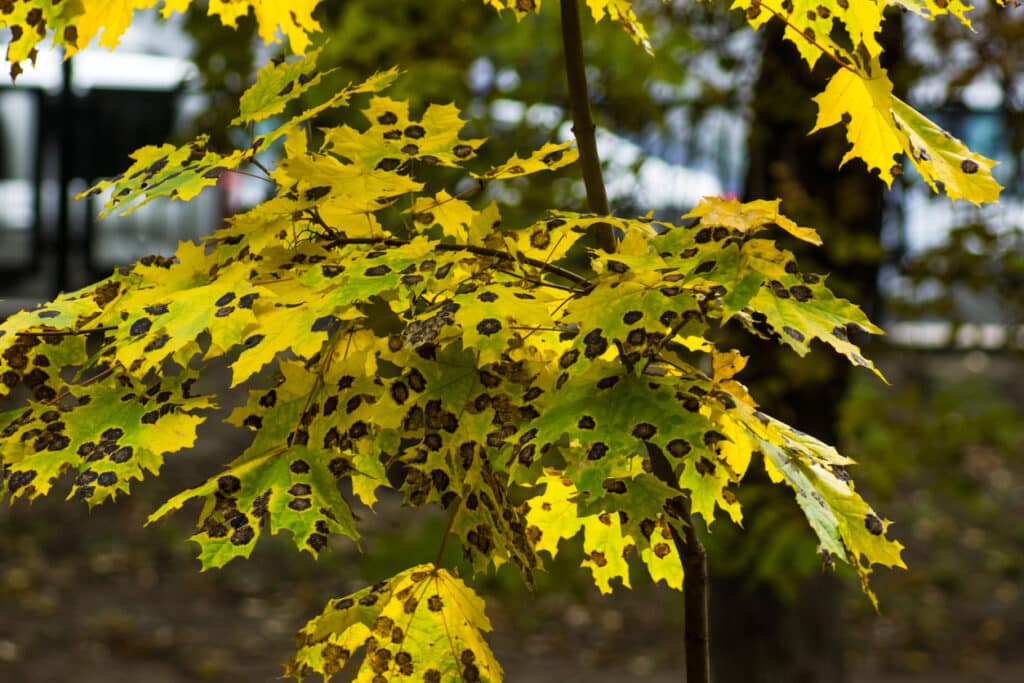
    Wilted or yellow leaves are among the most common signs of tree pest infestations. This could indicate root damage caused by pests like root maggots or soil-dwelling pests. To prevent this, regular watering and proper soil drainage are essential to maintain healthy roots. Additionally, avoid excessive use of fertilizers, pesticides, and herbicides, which can attract pests and damage the roots. Pruning and removing dead or diseased branches can also help reduce pest infestations and increase the tree’s overall health.

    2. Holes in Leaves and Bark

    Holes in leaves and bark are clear signs of tree pest infestations. These holes are caused by insects such as borers and beetles that feed on the tree’s inner layers. If left untreated, these pests can cause significant harm to the tree’s health, leading to its eventual death. To prevent tree pest infestations, it is important to regularly inspect the trees for any signs of damage and take action as soon as possible.

    3. Sticky Residue or Sap

    This is one of the most noticeable signs of tree pest infestations. Certain pests, such as aphids, scales, and mealybugs, produce this sticky substance, which feeds on the tree sap. The sap acts as a beacon for other insects, attracting them to the tree and causing further damage. Over time, the sticky residue can become unsightly and potentially harmful to the tree’s health. The sticky substance can also be a food source for other pests, further exacerbating the infestation.

    4. Fungal Growths or Mushrooms at the Base of Tree

    This is an indication of potential fungal infestations, which can be harmful to the tree’s health. Fungi thrive in moist conditions and can spread quickly through the soil and roots, causing significant damage to the tree. The presence of fungal growths or mushrooms near the tree’s base suggests an issue with the tree’s health and may require immediate attention and treatment.

    Tree pest infestations can cause significant damage to your trees, potentially leading to the tree’s death. Early detection is critical to preventing further damage. Contact Altar Tree Service in Salem, OR for reliable tree service, including trimming and pruning. We are dedicated to providing effective solutions to protect your trees from pests and promote healthy growth.

  • Make Evergreens Thrive With the Right Planting Time

    Make Evergreens Thrive With the Right Planting Time

    When many people think about Oregon, they think about the gorgeous, wooded areas filled with evergreen trees. Salem, OR has the perfect climate for many different varieties of these trees. You’ll love seeing them grow larger with each passing year as much as you love the privacy and shade they provide. Before you visit a nursery to buy an evergreen, make sure you know when to plant them.

    Types of Evergreen Trees

    Cypress trees are part of the evergreen family. Some grow as tall as 25 feet, which can block the sun and keep your home cooler. Spruce trees usually grow between six and eight feet tall, but there are some types that can reach 20 feet in height. You might know spruce trees because they are often used around the holidays. Holly and juniper trees are other examples of evergreens. Make sure that you pick the right type that grows in the zone around Salem.

    Best Time for Planting

    You have the choice of buying and planting a smaller tree that will grow in the coming years or buying one that is already quite large. Bigger trees often cost more and take longer to plant, however. The best time to plant evergreens in the Salem, OR area is in the early autumn. You should have luck if you wait until the middle or end of the season. If you wait until winter, you may find that the trees cannot survive the harsh winter weather. They may die before spring arrives.

    Container Planting

    If you are worried that you won’t have time to plant your evergreens before winter comes, consider container planting. Instead of putting the tree in the ground, you plant it in some type of container that protects the root system. This allows you to care for the tree inside your home until you can move it outside. Container planting only works when you pick smaller trees though.

    Why Choose Fall?

    Planting your evergreens in the fall is helpful because it gives them time to establish their root systems. When you plant in the spring or summer, the trees produce new growth and need to use some of their resources in those areas. During the cooler months, the trees do not produce growth and can focus on their roots. Fall also increases the temperature of the soil while adding more moisture to the ground, which will help the trees thrive.

    Salem, OR has the perfect climate for evergreen trees. These trees are hardy enough to stand up to the harsh winters and gorgeous enough to add color in the warmer months. Contact Altar Tree Service to get help planting new evergreens and for trimming and pruning services for your existing trees.