Categoría: Seasonal

  • How to Identify and Manage Dying Trees During the Summer

    How to Identify and Manage Dying Trees During the Summer

    Summer is the perfect time to enjoy the outdoors and bask in the beauty of nature. However, amidst the lush greenery, watching for dead or dying trees is essential. Dead trees threaten human life and property and harm the environment by spreading diseases and contributing to fire hazards. Therefore, it’s essential to identify and manage dead trees during the summer. In this blog, we’ll explore some ways to do just that.

    Identifying Dead Trees

    The first step in managing dead trees is identifying them. Here are some signs to look out for.

    Perhaps the most obvious is a lack of leaves. If a tree does not produce any leaves during the summer, it could die. Another indication is discolored foliage. This could be a sign of disease or insect infestation. Peeling bark tends to signify decay or fungal infection. A tree with cracks or cavities in its trunk or branches could be alerting you to internal decay. When the trunk of a tree leans more than 15 degrees, you should suspect root damage. Finally, dead branches could be a sign of disease or insect infestation.

    Managing Dead Trees

    Once you have identified a dead or dying tree, it’s essential to manage it properly. Here are some ways to do that.

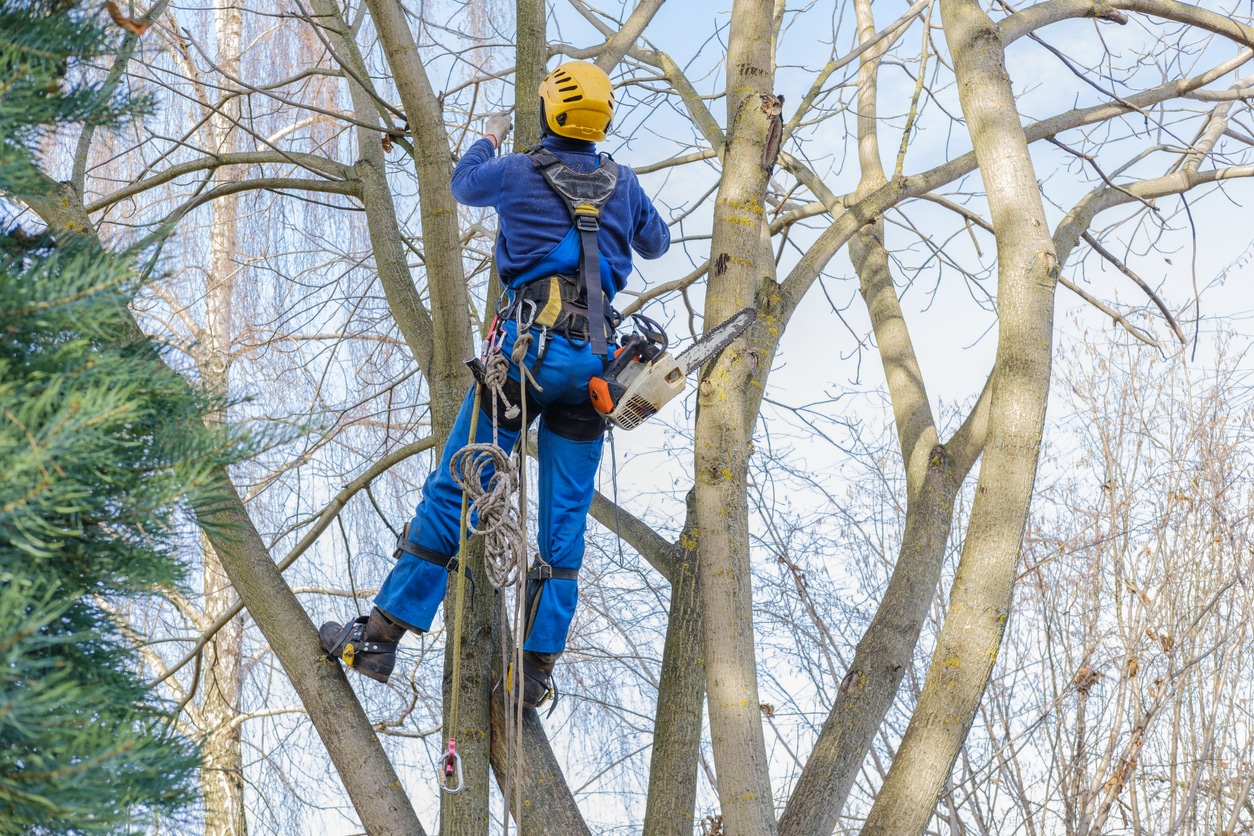
    Hiring a professional arborist is best. They will have the knowledge and tools to safely remove the tree without causing damage to your property or the environment.

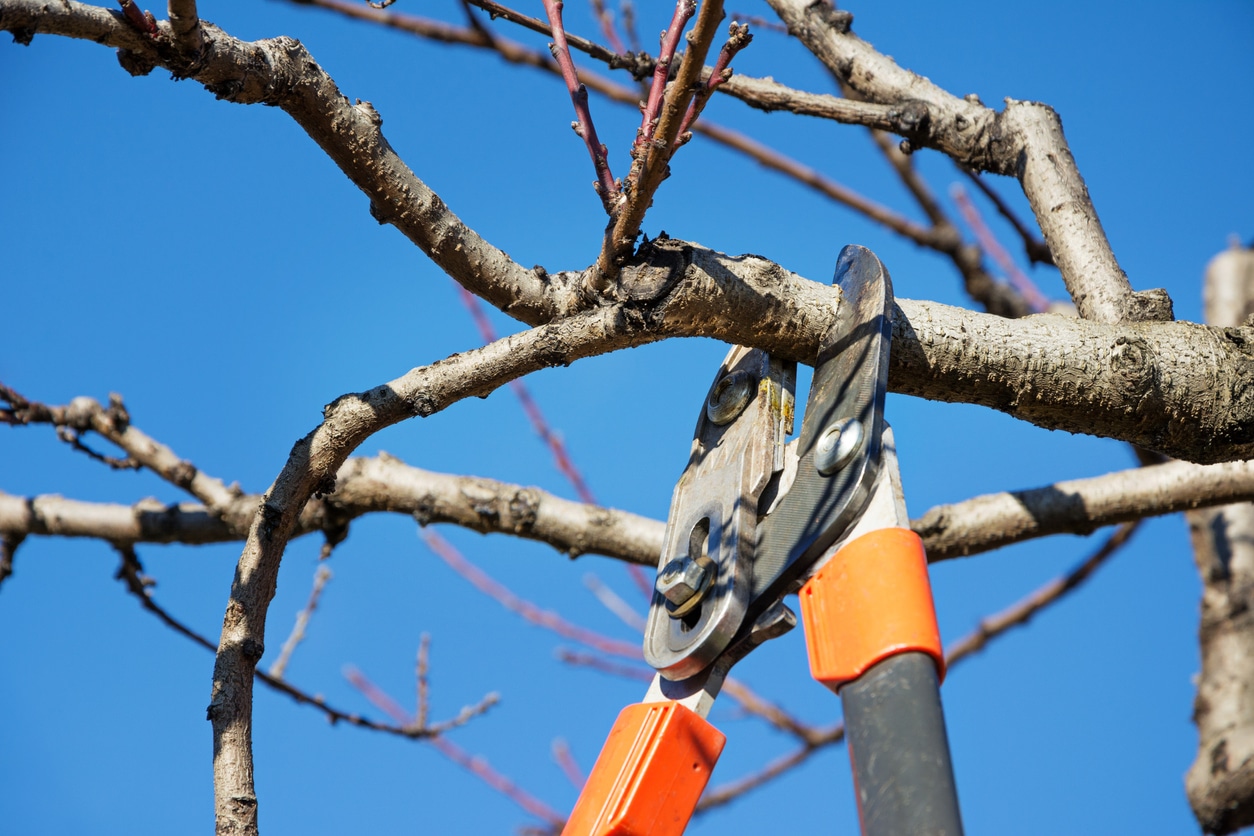
    If a tree has dead branches, you can prune them off to prevent them from falling and causing damage. However, if the tree is completely dead, it’s best to remove it entirely.

    Once you have removed the tree, it’s also essential to remove the stump. Stumps can attract pests and insects and can also be a tripping hazard.

    After removing a dead tree, you can plant a new one in its place. This will not only help to beautify your property, but it will also contribute to the environment by providing oxygen and habitat for wildlife.

    It’s also essential to monitor the health of other trees on your property. If one tree is dead or dying, it could signify a larger problem. For example, if several trees are dying, it could be a sign of a fungal infection or pest infestation.

    Preventing Dead Trees

    Preventing dead trees is the best way to manage them. Let’s discuss some ways to do that.

    Watering and fertilizing your trees can help keep them healthy and prevent diseases and pests. Regular pruning can help remove dead or dying branches before they become a hazard. Regularly inspecting your trees for signs of disease, infestation, or damage can help catch problems before they become severe.

    Finally, consider enlisting a professional. Hiring a professional arborist to inspect and maintain your trees can ensure they stay healthy and prevent them from dying.

    Outstanding Tree Services for Residents of Salem

    In conclusion, identifying and managing dead trees during the summer is crucial for the safety of humans and the environment. If you spot any signs of a dead or dying tree, visit us at Altar Tree Service for excellent tree pruning and trimming anywhere in Salem.
  • Spring Into Action: Why This Is the Season to Plant Trees

    Spring Into Action: Why This Is the Season to Plant Trees

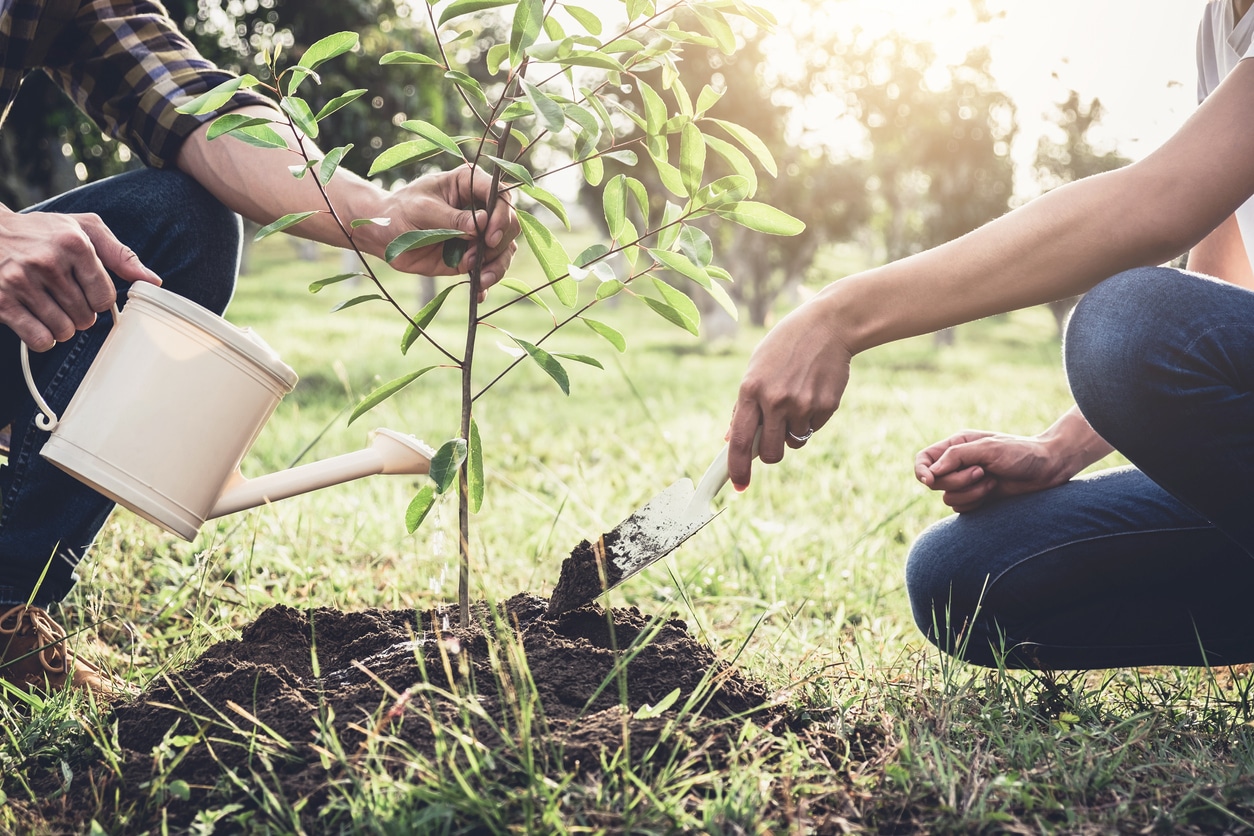
    Due to various factors, spring is widely considered the ideal time for planting trees. Trees planted during this season have the best chance of establishing strong roots, growing tall, and staying healthy over a long period. Here are several reasons why this is the wisest time for tree planting.

    1. Soil Temperature

    The temperature of the soil is a crucial factor when it comes to planting trees. In spring, the soil begins to warm up, which benefits the plants. This warm soil promotes root growth, which is essential for the tree to establish itself. When planted in warm soil, the tree is less likely to experience transplant shock, which can lead to stunted growth and even death.

    2. Sufficient Moisture

    During the spring season, there is usually enough moisture in the soil. Trees need adequate moisture to grow, and spring provides the ideal conditions. The snowmelt and rainy season make the soil moist enough for trees to grow and establish roots. Additionally, the cool temperatures of spring ensure that the water does not evaporate too quickly, providing trees with the ideal moisture level they need to thrive.

    3. Ideal Growing Conditions

    Spring offers the perfect growing conditions for trees. With longer days and mild temperatures, trees have plenty of time to grow and establish themselves. Trees planted in spring have several months to grow and develop their root systems before the summer heat arrives. It gives them the strength to survive the hot, dry summer months.

    4. Less Stress on Trees

    Spring is when trees are not under as much stress as they would be during other seasons. The tree is leaving dormancy, and the growth cycle has just begun. There are no extreme weather conditions to contend with such as the high temperatures of summer or the freezing temperatures of winter. This means the tree can focus its energy on establishing its root system and growing rather than trying to survive extreme conditions.

    5. Better Access to Trees

    Spring is also when nurseries and garden centers stock up on trees, providing homeowners with a wide selection of plants to choose from. It makes it easier for buyers to find the right tree for their property and needs. It also means there is a greater chance of finding the tree you want instead of waiting until later in the year when the selection may be limited.

    Spring is the ideal time for planting trees since it provides the perfect conditions for them to establish themselves and grow into healthy, mature specimens. If you’re thinking of planting trees on your property, consider doing so in the spring. For expert residential or commercial tree services in Salem, OR and the surrounding areas, call our experts at Altar Tree Service.

  • Pruning the Roots of Your Tree to Transplant It

    Pruning the Roots of Your Tree to Transplant It

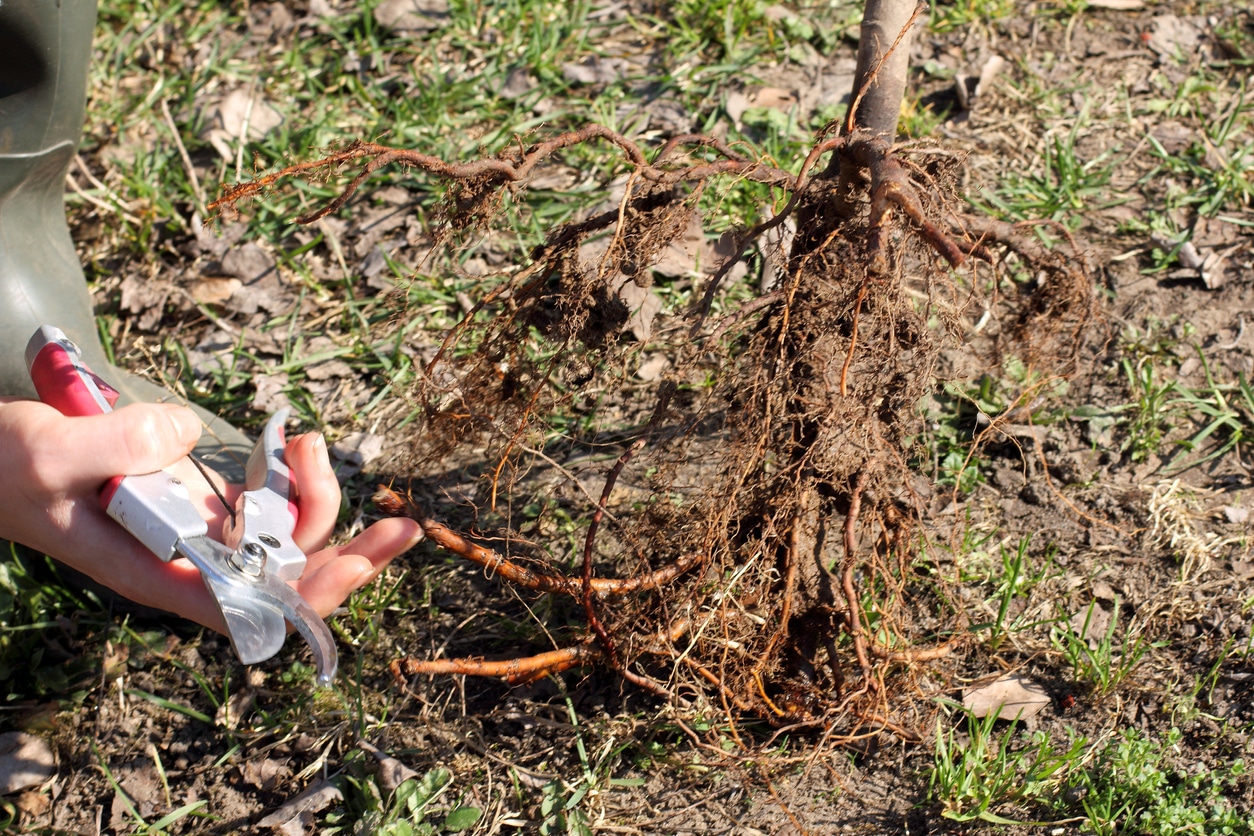
    One rule for gardeners is to make sure that you never damage the roots of your trees. The roots send nutrients and water to the rest of the tree, and if they’re injured, they can’t do their job as well. This can result in the tree weakening or even dying. However, you’ll need to prune the roots of your tree if you’re going to transplant it, for it’s nearly impossible to transplant the tree with its entire root system. The good news is that this can be done with minimal damage to your tree. Here’s how.

    Try to Transplant Only Small Trees

    Small trees survive root cutting and transplanting far better than larger trees. Arborists recommend that if you must cut the roots of a tree that has a diameter of more than 2 inches or roots that are more than 2 inches wide, you call for professional help. Even with a small tree it’s a good idea to have someone help you.

    Cut Along the Drip Line

    The drip line is the circular area around the tree where the longest branches end. It’s called this because water from the tips of these branches drips down into the ground. This is approximately the circumference at which you should cut the roots.

    Decide the Best Time to Prune the Roots

    You don’t prune the roots at the same time you’re going to transplant the tree. It’s best to move your tree in the spring or in the fall. If you’re going to transplant your tree in the fall, prune the roots in the summer. If you’re going to transplant it in the spring, prune them in late fall to early winter. Arborists recommend waiting six months between pruning the roots and transplanting the tree.

    How to Cut the Roots

    After you’ve measured the size of the new root ball, mark it with a circle around it. You can use chalk so the circle can stand out from the surrounding grass. Water the soil deeply at least a day before cutting the roots. Clean and sharpen a spade, and then use it to cut into the roots, following the chalk circle as a guide. Cut about a foot into the soil to sever the roots cleanly.

    When you are ready to transplant the tree, move it onto a large piece of burlap nearby, roll the root ball into it, tie it, and take it carefully to the place where you want the tree to be.

    Learn More About Pruning Your Tree Roots

    It may take a year or longer before the transplanted tree adjusts to its new location. Fortunately, many trees are long-lived and can adjust well to their new space if they’re cared for well. For more information about pruning your tree roots, contact our arborists today at Altar Tree Service of Salem, OR.

  • 5 Benefits of Pruning Trees During the Winter Months

    5 Benefits of Pruning Trees During the Winter Months

    Contrary to popular belief, trees should not only be cared for when the weather is warm. Tree maintenance can occur during the winter. Tree care specialists care for trees all year round, and they are available to provide their services to both commercial and residential clients. Some trees benefit from being pruned during the winter to aid in root production, and this is especially beneficial for fruit trees. The following covers five benefits of pruning trees during the winter.

    1. It’s Easier to Evaluate Tree Structure During the Winter

    During the warmer months, it is a bit more difficult to evaluate the structure of trees because the leaves can sometimes obscure their appearance. Once the leaves fall, tree care specialists can see the structure of your trees more easily, which will help them better see what must be pruned to ensure the trees remain at their best.

    2. Diseases Cannot Spread When Pruning During Winter

    During the spring and summer months, diseases can sometimes spread when trees are being pruned. When the weather is colder, these diseases are dormant or dead, so the trees are not at risk of contracting any illness. Many tree care specialists opt to prune vulnerable trees during the winter because this is when it is safest.

    3. Trees Are Under Less Stress

    Winter pruning is less stressful on trees. Since trees are dormant during the winter, new growth will not occur. Trees can heal better from pruning cuts in cold temperatures. Tree care experts advise that pruning must be done before buds appear in the spring for the best chance of rejuvenation.

    4. Pruning Trees in Winter Is More Efficient

    When temperatures get colder, the ground hardens, and this is especially true when it snows. When the ground hardens, tree care specialists can use heavy equipment without the worry of damaging landscaping. Pruning during winter is more efficient particularly when it comes to larger projects since this is when heavy equipment is more likely to be needed.

    5. Trees Pruned During Winter Look Better in the Spring

    When trees are pruned just before the weather warms, they tend to rejuvenate quickly. If you have overgrown trees, cutting them just before spring is the perfect time because they will grow back quickly and appear healthier.

    If you want to spruce up your trees, winter is the best time to do this. If you reside in the greater Salem, OR area, contact Altar Tree Service to schedule trimming and pruning and other tree services at any time.

  • Fertilizing Your Trees in Fall Keeps Them Healthy All Year

    Fertilizing Your Trees in Fall Keeps Them Healthy All Year

    Applying fertilizer in the fall is one of the most important things you can do to keep your trees as healthy as possible. Knowing how and when to fertilize your trees is essential to proper tree care. Altar Tree Service can give you advice on how and when to fertilize your trees for the best results.

    Mimics Natural Cycles

    Trees spend energy throughout the growing season. They must produce leaves, grow new branches, and produce flowers or fruit. During the autumn, the leaves fall and provide slow-release nutrients to help trees prepare for the next year. Providing a fall fertilizer mimics the natural nutrient cycles of the trees.

    Our modern landscaping practices can strip trees of this natural cycle when we rake the leaves and clean up debris. These items would stay on the ground in a forest, eventually decaying to recycle nutrients and keep them healthy. Also, turf grasses can compete for important nutrients. Fall fertilizing helps trees recover as they overwinter.

    Signs Your Trees Need Fertilizing

    Your trees can give you signs that they need fertilizer. One of them is that they turn color earlier than others in the area. If your tree is turning color while others are lush and green, nutrients could be the problem. Another sign is branch dieback. Leaves that look curled or “sick” during the growing season might be another sign that your trees need some attention. If your trees are showing any of these signs, a fall fertilizer can help them recover and return to health in the spring.

    Focus on Strong Roots

    During the fall, trees focus their attention on growing strong roots instead of leaves and new branches. Fertilizing in fall provides nutrients near the roots and encourages the development of a sturdy root system. This improves the overall health of the tree and will result in more foliage, fruit, or flowers next growing season. Fall fertilizing helps trees build a solid foundation.

    Improves Flowers and Fall Color

    For flowering and fruiting trees, fall fertilizing gives them the nutrients they need to put on a better show next year. It also means that their fall colors will be more vivid. Nutrient loss during the growing season makes deciduous trees and bushes go from green to brown more quickly. Fall fertilizing can help them produce beautiful magenta, oranges, reds, and yellows.

    Proper fertilizing in the fall can help the tree to recover from conditions like overwatering, improper mulching, and insect damage. Aside from fertilization, trimming and pruning is another way to keep your trees in good health. Contact Altar Tree Service in Salem, OR, for help with fertilizing and other tree care needs.